
Field notes · Last updated: 2026-05-16
Trailer ABS and Light Failures on the Shoulder
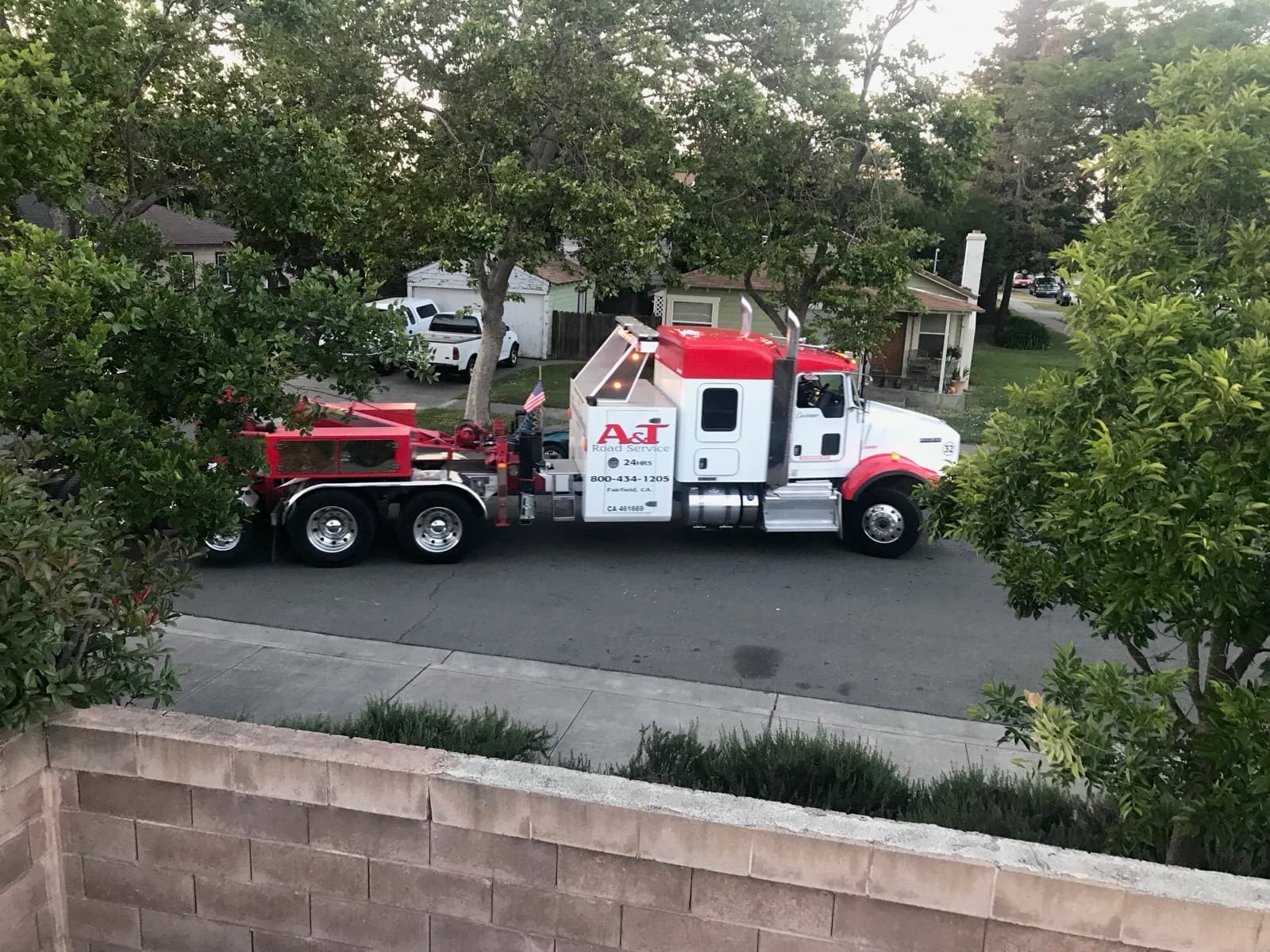
Trailer ABS lamps and light faults can stop an otherwise healthy tractor. Stocked mobile electrical and air work beats a vague callback.
Why trailer faults stop the combination
Problem: operators lose hours when the wrong process runs on a down truck. Agitation: soft cost — payroll, penalties, missed reloads — compounds faster than most invoices. Solution: A&T Mobile Truck and Trailer Repair runs a field brief and finish-confidence model so you get a real next step.
Trailer ABS lamps and light faults can stop an otherwise healthy tractor. Stocked mobile electrical and air work beats a vague callback.
A&T Mobile Truck and Trailer Repair writes for fleet managers and owner-operators who need the truck rolling — not a brochure. Tone stays operational: pin, symptoms, stock, decision.
Report trailer number and whether ABS lamp is hard or intermittent.
Note recent trailer swaps — borrowed trailers change the fault story.
Light circuits and ABS share power realities techs must hear early.
Step Zero for trailer ABS is power, ground, and modular checks before assuming a full module replacement.
Diagnostic path on the call
Process beats hope. A&T Mobile Truck and Trailer Repair expects a structured call so the unit that rolls can finish — or so everyone agrees early that a tow is faster.
Air leaks and electrical faults often travel together.
Safety staging still comes first on the shoulder.
| Path | Choose when | Risk if wrong |
|---|---|---|
| On-site repair | Stock matches fault and staging is safe | Second trip |
| Short parts run | Finish is close and soft cost allows | Hours add up |
| Tow / bay | Safety or depth work required | Delay if used as default |
Finish versus tow for trailer electrical
Field reality is stock, safety, and honesty about limits. A&T Mobile Truck and Trailer Repair will say when a bay is the better tool instead of performing confidence.
Ask what test equipment the unit carries.
Document connector condition after the fix.
Tell us the pin and the fault. A&T Mobile Truck and Trailer Repair will tell you if we can finish — or why we should not pretend.
Driver checklist
Close with a checklist your board can paste into the binder. A&T Mobile Truck and Trailer Repair is reachable at (800) 434-1205.
Pair with the sixty-second dispatch brief.
Internal paths: Services · Emergency Roadside
Depth notes operators ask for
Operators ask for specifics because vague guidance creates second trips. A&T Mobile Truck and Trailer Repair answers with fault-class thinking: what usually fails, what stock finishes it, and when a bay is mandatory. Soft cost still starts when hazard lights come on — so every unclear handoff is expensive.
Treat this article as a living SOP fragment. Update your internal numbers for payroll and detention. Keep our public claims honest: ~50-mile Fairfield CA radius — not nationwide. Pair this topic with your insurance and customer SLA rules so drivers are not improvising under stress.
When in doubt, call (800) 434-1205 and ask for finish confidence before you authorize a wrecker or a long wait. That single question prevents most of the expensive mistakes described above.
Operator depth: what boards get wrong
Boards lose money when they optimize for the wrong clock. The invoice is not the clock. Soft cost starts when the unit stops earning. A&T Mobile Truck and Trailer Repair keeps that framing in every dispatch conversation at (800) 434-1205.
Record trailer ID separately from tractor ID every time — borrowed equipment lies.
Ask whether the ABS lamp is solid or flashing and whether brakes feel normal.
Corroded connectors are a finish item; note them for the yard's trailer pool.
A&T Mobile Truck and Trailer Repair serves ~50-mile Fairfield CA radius — not nationwide. Confirm Locations.
If you only remember one question, remember finish confidence: can the next truck that rolls complete the job, and how do we know? Everything else — brand loyalty, habit, and pride — is secondary to hours until the asset earns again.
A worked example without the myth
Imagine two identical downs an hour apart. Fleet A calls with a landmark and "it won't go." Fleet B calls with a pin, unit ID, fault cluster, and what they already tried. Fleet B gets the correctly stocked response. Fleet A gets a second trip. Soft cost diverges by hundreds to thousands before either invoice is printed.
A&T Mobile Truck and Trailer Repair trains the Fleet B conversation. Drivers can keep a card in the cab. Dispatchers can paste the brief into the ticket. Managers can audit tickets for missing fields the same way they audit missed PMs.
None of this requires theater about being everywhere. It requires discipline in the markets and bays you actually operate — and the humility to say no outside them.
The standard we hold ourselves to
We would rather lose a lead than invent coverage. We would rather recommend a tow than fake an on-site finish. We would rather schedule a bay visit than pretend a shoulder is a full shop. That standard is how A&T Mobile Truck and Trailer Repair stays useful to operators who compare vendors on outcomes, not slogans.
Call (800) 434-1205 when you need that standard on your next down or scheduled visit. Bring the brief. Ask for finish confidence. Measure hours returned to revenue.
Quick reference
- Clock: soft cost starts when the unit stops earning.
- Brief: location, unit ID, symptoms, attempts, safety.
- Ask: finish confidence before authorizing the next move.
- Record: what stock or tow decision finished the job.
- Review: weekly hours-to-roll, not invoices alone.
Save this list in the cab. Use it on every call. Consistency beats heroics.
Need a truck now? Call (800) 434-1205 · All field notes · Clean Truck Check · Fairfield mobile truck repair